

Some weeknights, dinner has to be simple. Not a project, not a special occasion, just a good meal that gets on the table without fuss. Simple dinner meals are built for exactly those nights: short ingredient lists, one pan or pot, and methods you can follow without thinking too hard after a long day.
The best simple dinners share a few qualities. They use ingredients you probably already have, like pasta, rice, eggs, beans, and canned tomatoes. They take thirty minutes or less. And they taste like real cooking, not like a shortcut, because a few good seasonings and one honest technique are often all a meal needs.
This guide collects six original simple dinner meals that work on busy weeknights, plus practical tips for keeping weeknight cooking calm and fast. Every recipe uses everyday ingredients, needs only basic equipment, and can be adjusted to whatever is in your fridge. Pick one tonight, and let dinner be the easiest part of your evening.
What Makes a Dinner Meal Simple?
A simple dinner starts with a short ingredient list. When a recipe needs only eight or ten ingredients, shopping is quicker, prep is shorter, and there is less to go wrong. The recipes below were chosen with that test in mind: most need a single pan and a handful of things from the cupboard.
A simple dinner also uses one cooking method. One pan on the stove, one tray in the oven, or one pot simmering on the hob beats a recipe that needs three pans and a blender. One method means one thing to watch, one thing to wash, and a much calmer evening in the kitchen.
Finally, a simple dinner is forgiving. If the pasta cooks a minute too long, or the vegetables are a little softer than planned, the meal still works. Simple recipes are built around sturdy ingredients and flexible methods, so small mistakes do not ruin the result. That forgiveness is what makes them reliable on nights when your attention is already stretched thin.
How Do You Plan Simple Dinners for the Week?
The easiest plan is a short list of reliable meals you can cook without looking anything up. Five or six dinners, rotated through the week, cover most busy nights without anyone getting bored. When you already know what you are cooking, the evening almost runs itself.
It helps to keep a few staples ready at all times. Pasta, rice, canned tomatoes, canned beans, eggs, and frozen vegetables are the backbone of simple cooking. With those in the cupboard, dinner rarely depends on a special shopping trip, and a meal can come together from whatever fresh ingredient you bring home.
It also helps to plan loosely rather than rigidly. Pick three or four dinners for the week, shop once, and leave the other nights flexible for leftovers or something spontaneous. A plan that demands a different recipe every night collapses by Wednesday. A loose plan survives real life, and simple dinners are what make it possible.
What Should You Keep Ready for Simple Dinners?
A small set of cupboard staples covers almost every dinner in this guide. Keep pasta, rice, and a few tins of tomatoes and beans. Keep onions, garlic, and a few spices — cumin, paprika, dried oregano, and chilli flakes — for flavour. Keep a bottle of soy sauce and a jar of stock paste for sauces. With those basics, dinner is rarely more than a fresh vegetable or a piece of chicken away.
Eggs deserve a permanent place in the fridge, because they turn into dinner in minutes. An omelette, a frittata, or egg fried rice is a complete meal with almost no planning. Frozen vegetables are just as useful: peas, mixed vegetables, and spinach cook straight from frozen and save the washing and chopping on tired evenings.
One good pan matters more than a cupboard full of gadgets. A large frying pan or skillet that holds a family meal comfortably without crowding is the single most useful tool for simple dinners. Crowding is the enemy of good cooking, because food steams instead of browning when the pan is too full. One good pan, kept clean and ready, covers most of the meals in this guide.
Recipe 1: One-Pan Paprika Chicken and Potatoes
One-pan chicken is the weeknight dinner that does the most work for the least effort. Everything cooks together on a single tray, the oven does the cooking, and there is only one pan to wash at the end.
Heat the oven to 200 degrees Celsius. Cut four chicken thighs into chunks and toss them in a large bowl with two tablespoons of olive oil, a teaspoon of paprika, half a teaspoon of garlic powder, salt, and pepper. Add chopped potatoes and red onion, cut into similar-sized pieces so they cook evenly, and toss everything together.
Spread the mixture in a single layer on a large baking tray, making sure the pieces are not crowded. Roast for thirty minutes, turning once halfway through, until the chicken is golden and cooked through and the potatoes are crisp at the edges. The paprika gives the chicken a warm colour and a gentle smokiness without any extra work.
Serve straight from the tray, spooning the pan juices over the top. A simple green salad on the side completes the meal. For variety, swap the potatoes for sweet potatoes, or add a sliced pepper to the tray, and the same method gives you a different dinner with no new skills required.
Recipe 2: Tomato Butter Pasta for the Whole Table
Tomato butter pasta is the dinner for evenings when there is pasta in the cupboard and not much else. It takes about twenty minutes, uses one pot, and tastes far richer than its short ingredient list suggests.
Boil 400 grams of pasta in salted water until just tender, reserving a cup of the cooking water before draining. While the pasta cooks, warm a tin of chopped tomatoes in a large pan with two tablespoons of butter, one sliced garlic clove, and a pinch of salt. Simmer gently for ten minutes, until the sauce thickens slightly and the butter melts into it.
Toss the drained pasta through the sauce, adding a splash of the reserved cooking water if the sauce needs loosening. The starchy water helps the sauce cling to the pasta, which is what makes the dish silky rather than watery. Finish with a good grating of cheese and a few torn basil leaves if you have them.
Serve in warm bowls, with extra cheese on top. This pasta is endlessly adaptable: stir in a tin of chickpeas for protein, add a handful of spinach at the end, or top each bowl with a fried egg for a heartier meal. The method stays the same, and dinner is ready before the table is set.
Recipe 3: Quick Beef and Vegetable Stir-Fry
A stir-fry is the fastest dinner in this guide, ready in about fifteen minutes, and it is the best way to use whatever vegetables are in the fridge. The method is simple: a very hot pan, quick cooking, and a good sauce.
Slice 400 grams of beef into thin strips and toss with a tablespoon of soy sauce. Heat a tablespoon of oil in a large frying pan or wok over high heat until it shimmers, then cook the beef for two to three minutes, stirring constantly, until browned. Remove it to a plate.
Add a little more oil to the same pan and cook sliced peppers, a sliced onion, and a handful of mushrooms for four minutes, until just tender but still crisp. Return the beef to the pan with a sauce made from two tablespoons of soy sauce, a tablespoon of honey, and a squeeze of lime juice. Stir for one minute until everything is coated and glossy.
Serve over rice or noodles, in bowls. The key to a good stir-fry is heat: the pan must be very hot before the beef goes in, and the vegetables should stay crisp, not soft. Cooked this way, a stir-fry is fast, fresh, and far better than takeaway.
Recipe 4: Creamy Bean Soup with Crusty Bread
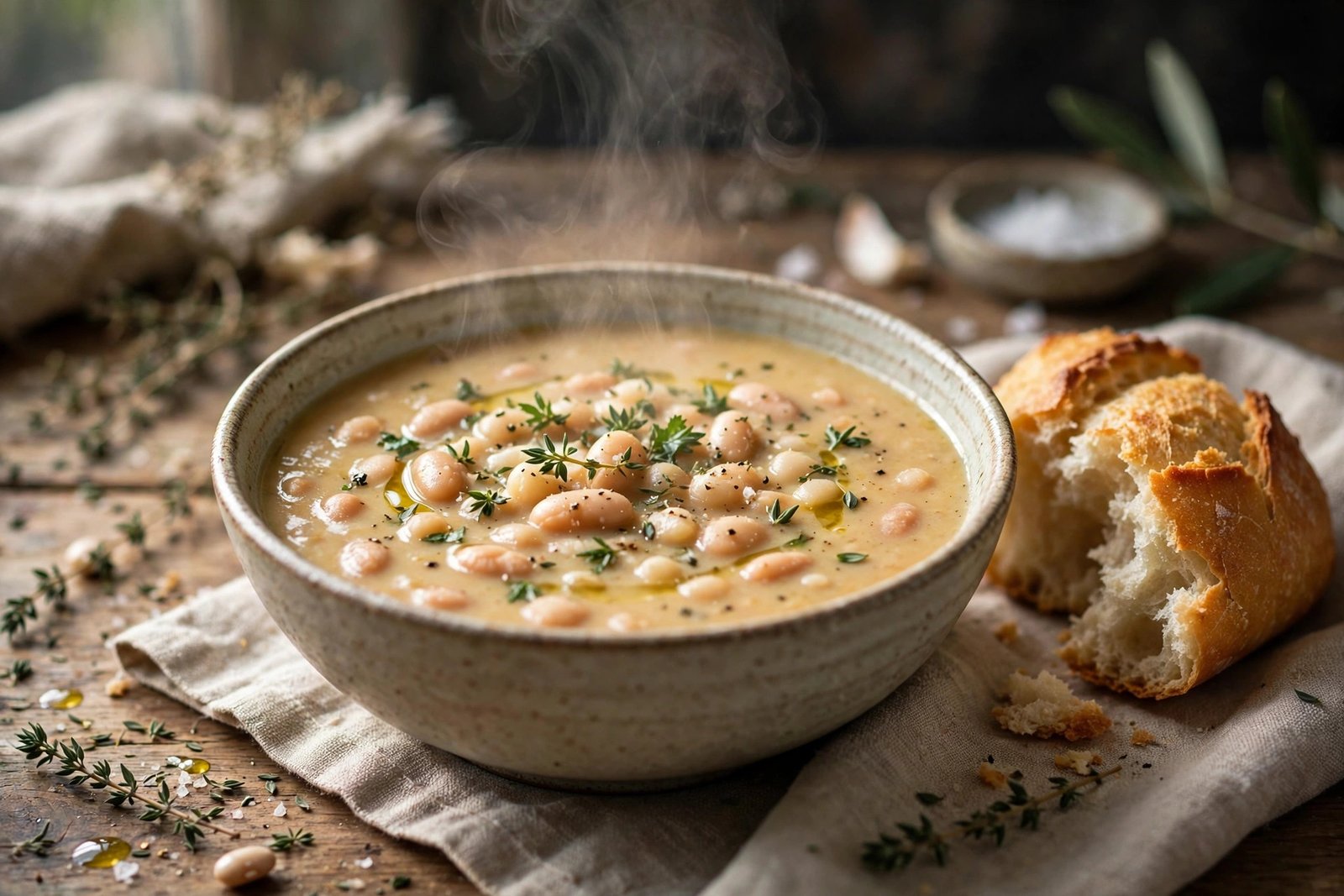
Soup is the comfort dinner for a cold or tiring evening, and this bean soup is filling, flavourful, and ready in about twenty-five minutes. It needs one pot and a handful of pantry ingredients.
Warm a tablespoon of olive oil in a large pot over medium heat. Add one diced onion, two sliced garlic cloves, and one diced carrot, and cook for five minutes until softened. Stir in a tin of chopped tomatoes, two tins of drained beans — cannellini or butter beans work well — and three cups of vegetable stock. Add a teaspoon of cumin and a pinch of salt.
Bring to a gentle simmer and cook for about twenty minutes, stirring now and then, until the vegetables are tender and the soup has thickened. For a creamier texture, blend half the soup with a hand blender and stir it back in, leaving the rest chunky. Season with salt and pepper, tasting as you go.
Serve in warm bowls with thick slices of crusty bread for dipping. The bread is not an afterthought: a good soup needs something to dip, and warm bread turns a light soup into a proper dinner. Leftover soup keeps in the fridge for three days and tastes even better the next day.
Recipe 5: Chicken and Rice Bowl with Lemon
A chicken and rice bowl is the one-pan dinner that feeds a family with almost no washing up. The rice cooks in the same pan as the chicken, soaking up all the flavour, and the whole meal is ready in about thirty minutes.
Warm a tablespoon of oil in a large, deep frying pan with a lid over medium-high heat. Season four chicken thighs with salt, pepper, and a teaspoon of paprika, and brown them for about five minutes until golden. Turn and cook for two more minutes, then remove the chicken to a plate.
In the same pan, cook one sliced onion and two sliced garlic cloves for two minutes, then stir in one cup of rice and pour in two cups of stock, scraping up the browned bits from the bottom of the pan — those bits are pure flavour. Return the chicken to the pan, cover with the lid, and cook on low heat for twenty minutes, until the rice is tender and the chicken is cooked through.
Let the pan rest, covered, for five minutes before serving, then fluff the rice with a fork and serve the chicken on top of it. A squeeze of lemon at the end brightens the whole dish, and a handful of peas stirred in for the last five minutes adds colour and sweetness. One pan, one lid, and dinner is done.
Recipe 6: Veggie Tacos with Beans and Cheese
Tacos are the busy-night dinner that feels like a treat, because everyone builds their own. The filling takes fifteen minutes, and the rest is simply setting out toppings and letting people help themselves.
Warm a tin of black beans in a frying pan over medium heat with a teaspoon of cumin, half a teaspoon of paprika, and a pinch of salt. Mash about half the beans with the back of a spoon as they warm — this thickens the filling and makes it hold together in the taco. If the mixture looks dry, add a splash of water.
Warm flour or corn tortillas in a dry pan, one at a time, for about thirty seconds each side. Fill each tortilla with a spoonful of beans, a handful of grated cheese, and whatever toppings you have: shredded cabbage, diced tomato, sliced avocado, or a spoonful of yogurt. Fold and eat immediately, while the cheese is still melting.
Two or three tacos per person is usually plenty. Tacos are also a good dinner for a mixed table, because everyone builds their own and skips what they do not like. Leftover bean filling keeps in the fridge for three days and makes an excellent topping for rice or baked potatoes the next night.
How Do You Add Flavour Without Extra Work?
The easiest flavour boost is finishing, not cooking. A squeeze of lemon, a drizzle of good olive oil, or a handful of fresh herbs added at the end lifts a simple dinner more than any extra cooking step. Keep lemons, herbs, and a bottle of chilli sauce on hand, and busy-night dinners will never taste flat.
Salt matters more than most cooks realise. Seasoning at each stage — the pasta water, the chicken before browning, the soup before serving — builds flavour layer by layer. A dinner seasoned only at the end tastes salty on the surface and bland underneath, while one seasoned throughout tastes balanced.
Finally, use the pan. The browned bits left after cooking chicken, the oil left after frying garlic, and the starchy water left after boiling pasta are all flavour waiting to be used. Deglaze a pan with a splash of stock, toss pasta in its own cooking water, and let those small habits do the work of a longer recipe.
What If a Simple Dinner Goes Wrong?
Simple dinners are forgiving, and most mistakes have a quick rescue. A pasta sauce that is too thin thickens with a splash of starchy pasta water and a handful of cheese. A stir-fry that is too salty is saved by adding more vegetables or serving it over plain rice. A soup that is too thick loosens with a splash of stock.
A tray of vegetables that will not crisp usually just needs more space or more heat. Spread the pieces out, turn the oven up slightly, and give them five more minutes. A chicken dish that is slightly overcooked is rescued by slicing it and serving it with a sauce or a squeeze of lemon, which adds moisture back.
The general lesson is not to panic. Simple cooking uses everyday ingredients, so a mistake costs very little, and most of them can be fixed with stock, lemon, cheese, or a change of serving style. Confidence matters more than precision, and each simple dinner you cook teaches you something for the next one.
For more straightforward meals built on the same easy approach, our guide to easy meal recipes covers simple dishes for the whole day, while fast and easy dinner recipes has more quick options for busy evenings. If the evening ends with a sweet craving, easy chocolate desserts shows how a simple dessert finishes the day.

You May Also Like
Frequently Asked Questions
What is the simplest dinner I can cook on a busy weeknight?
Tomato butter pasta or veggie tacos are the simplest, both ready in about fifteen to twenty minutes with pantry ingredients. Bean soup is nearly as fast. All three need only one pan and a short list of ingredients you probably already have.
Can I make simple dinners ahead of time?
Several work well ahead. Bean soup tastes better the next day, taco filling keeps for two days in the fridge, and chicken can be seasoned in the morning and roasted at night. Pasta and stir-fries are best made fresh, but they only take a few minutes anyway.
How do I keep simple dinners from getting boring?
Rotate through the recipes in this guide rather than making the same one every night, and change one element each time — a different sauce, a different vegetable, or a different spice. Small changes keep a familiar dinner feeling fresh without needing a new recipe.
What should I keep on hand for last-minute dinners?
Keep pasta, rice, canned tomatoes, canned beans, eggs, onions, garlic, and a few spices ready at all times. With those staples, plus frozen vegetables and a sauce or two, you can cook almost every dinner in this guide without a special shopping trip.
Are simple dinners healthy enough for every night?
Simple dinners can fit well into a balanced diet, especially when they are built around vegetables, beans, and lean protein rather than added fat alone. Pair a main dish with a salad or extra vegetables, keep added salt modest, and vary the recipes across the week for balance.
Conclusion
Simple dinner meals prove that weeknight cooking does not need to be complicated to be good. A tray of paprika chicken, a pot of tomato butter pasta, a quick stir-fry, a bowl of bean soup, a chicken and rice bowl, or a plate of veggie tacos — each one is ready in thirty minutes or less, uses everyday ingredients, and leaves the evening free for everything else.
Start with the recipe that uses what you already have in the kitchen. Once one simple dinner becomes a habit, the question of what to cook stops being a nightly struggle and starts being a small, easy decision. For general balanced eating guidance, the USDA MyPlate recommendations are a helpful reference.
Sources
- USDA MyPlate: https://www.myplate.gov/
- NHS – Eating a balanced diet: https://www.nhs.uk/live-well/eat-well/how-to-eat-a-balanced-diet/eating-a-balanced-diet/