
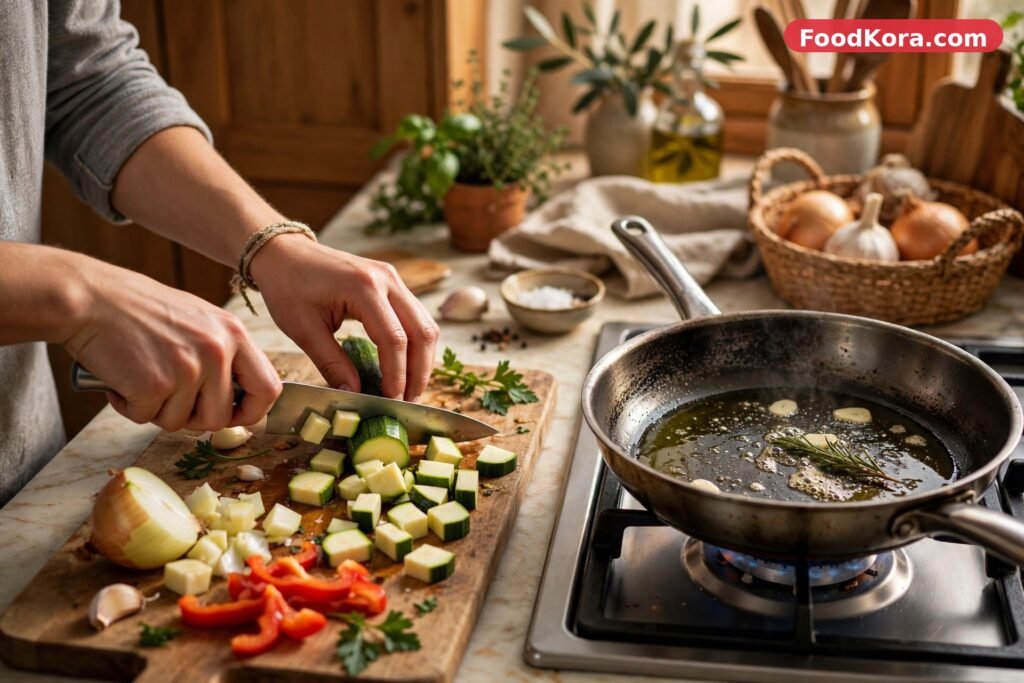

Cooking dinner at home can feel harder than it really is. If you are new to the kitchen, the hardest part is rarely the recipe itself. It is knowing where to start, what to cook first, and how to get everything ready at the same time.
The good news is that dinner does not need to be fancy to be good. A few basic techniques, a little planning, and a handful of reliable recipes are enough to cook satisfying meals most nights of the week. You do not need special equipment or years of practice.
This guide walks you through easy meals to cook for dinner, step by step. You will learn how to plan a meal, which techniques matter most, how to time everything, and which mistakes to avoid. By the end, you will have four simple dinners you can cook tonight with confidence.
What Makes a Dinner Easy to Cook?
An easy dinner has a few things in common. It uses a short ingredient list, most of which you may already have at home. It relies on one or two cooking methods rather than five. And it is forgiving, which means small mistakes will not ruin the result.
Soups, pasta dishes, stir-fries, and one-pan meals are classic easy dinners for a reason. They come together in a single pot or pan, they cook quickly, and they are easy to adjust. If a sauce tastes flat, you can add salt, lemon juice, or herbs at the end. If vegetables are a little soft, they still taste good.
Easy does not mean boring. A simple meal made with fresh ingredients and seasoned well will beat a complicated meal that leaves you stressed and exhausted. Start simple, build your confidence, and add new techniques one at a time.
How Do You Plan Dinner Without Stress?
Planning sounds like extra work, but it actually saves time and worry. Before you start cooking, read the whole recipe once from start to finish. Check that you have every ingredient and that you know what each step asks for. There is nothing worse than discovering halfway through that you are missing the main ingredient.
Next, think about the order of cooking. Dishes that take longest should start first. Rice, roasted vegetables, and anything going in the oven usually need a head start, while a quick sauce or salad can wait until the end. Write the order down if it helps. Even experienced cooks plan their timing before they turn on the stove.
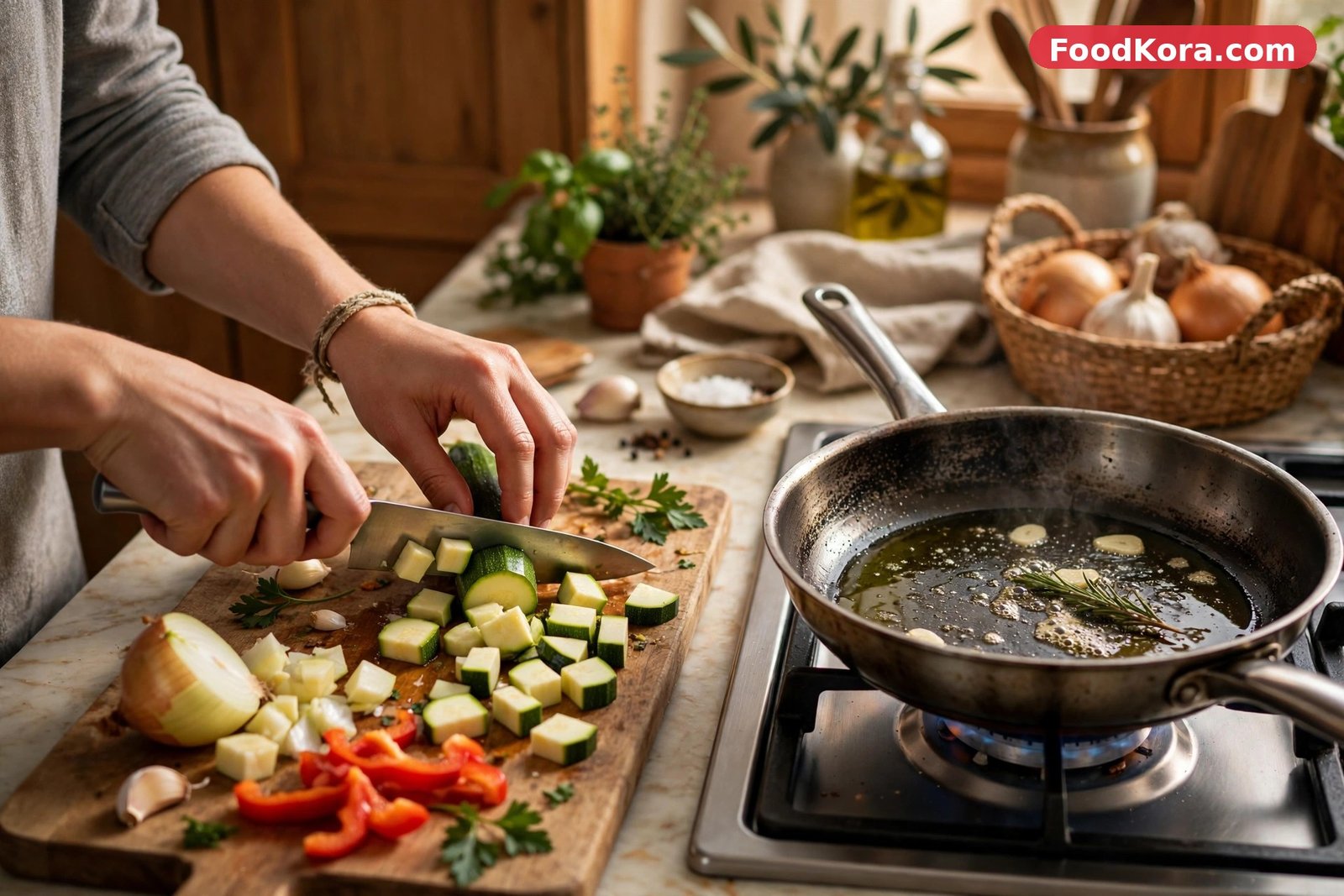
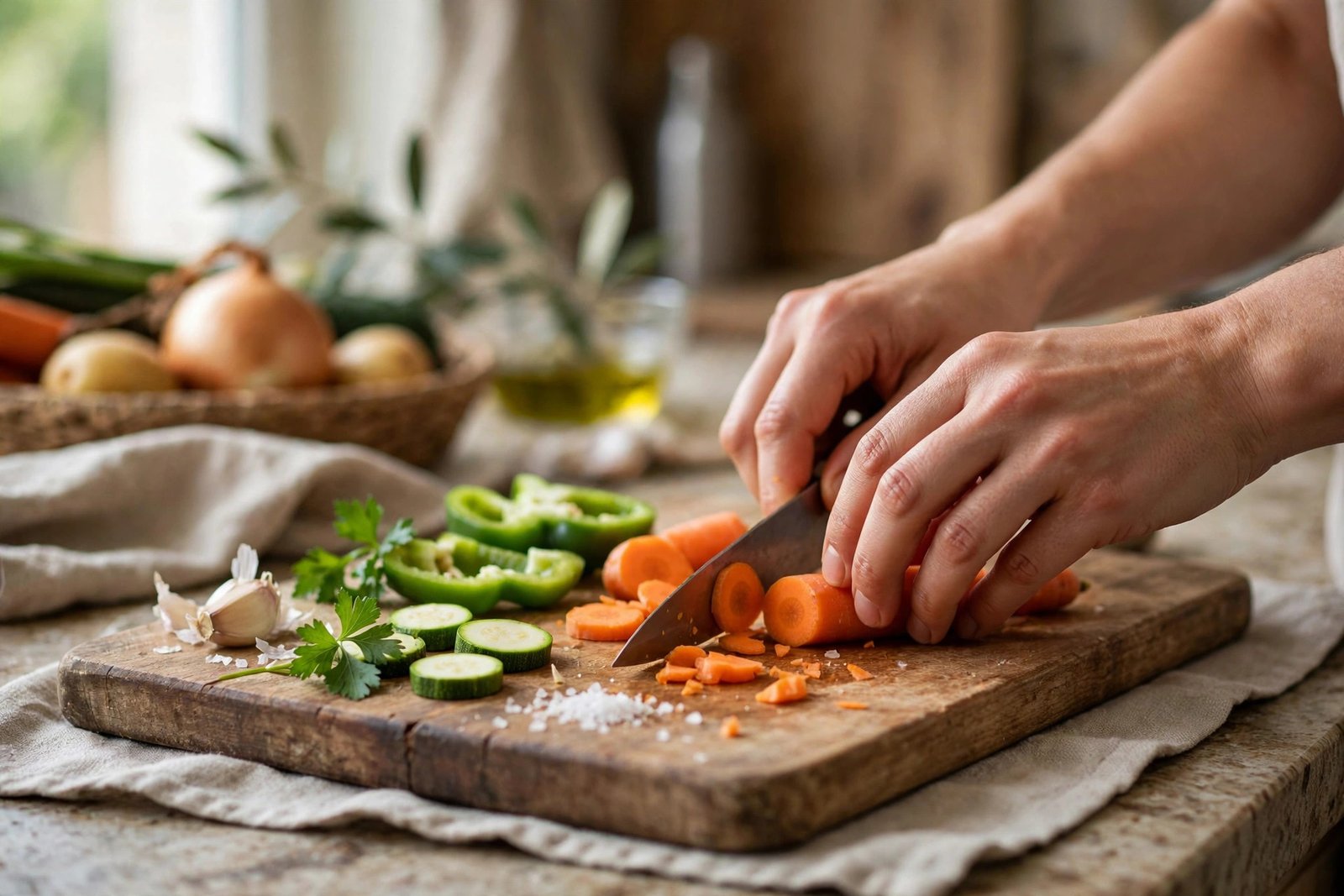
Finally, do your prep before you cook. Wash and chop your vegetables, measure out spices, and open cans and jars in advance. Cooks call this “mise en place,” which simply means everything in its place. When everything is ready, cooking becomes calm instead of rushed, and you are far less likely to burn something while searching for an ingredient.
If you want more quick ideas to pair with these basics, our collection of fast and easy dinner recipes is a good next stop once you feel comfortable with the techniques below.
The Basic Techniques Every Beginner Should Know
You do not need to master dozens of methods. Three techniques cover most easy dinners: sautéing, roasting, and one-pot cooking.
Sautéing means cooking food quickly in a little oil over medium-high heat. It is how you cook onions, garlic, chicken pieces, and vegetables for pasta sauces and stir-fries. Keep the food moving in the pan, and do not crowd it. If the pan is too full, food steams instead of browning, and you lose flavor.
Roasting is cooking in the oven with dry heat, and it is one of the most forgiving methods of all. Toss vegetables or chicken with oil, salt, and pepper, spread them out on a tray, and let the oven do the work. Roasting brings out sweetness in carrots, potatoes, and onions, and it needs very little attention once the tray is in the oven.
One-pot cooking means building the whole meal in a single pot or pan. Pasta, rice dishes, soups, and curries all work this way. Ingredients cook together, flavors blend, and there is only one pot to wash at the end. For a beginner, one-pot meals are the easiest way to serve a complete dinner without juggling several dishes at once.
How Do You Time a Whole Meal?
Timing is the skill beginners worry about most, and it is simpler than it looks. Start by finding the item that takes the longest to cook, and work backwards from when you want to eat. If rice takes twenty minutes and the chicken takes fifteen, start the rice first and begin the chicken five minutes later.
Use a timer, even for things you think you will remember. It is easy to lose track of time while chopping or chatting, and a timer is a cheap safety net. Set one for the oven, one for the stove, and one for anything resting or cooling.
Resting matters too. Cooked chicken and other meats taste better after a few minutes of rest, because the juices settle instead of running out when you cut in. Plan for that rest time. While the main dish rests, you can finish a salad, warm bread, or set the table, so nothing sits waiting and cooling.
A useful habit is to finish one task fully before starting another. Chop everything first, then cook. Cook the main dish, then make the side. Trying to do everything at once is how beginners end up with burnt garlic and undercooked rice in the same meal.
Four Simple Dinners to Cook Tonight
Here are four original, beginner-friendly dinners. Each one uses basic techniques, everyday ingredients, and a single pan or pot where possible. Read each recipe fully before you start, and remember to prep your ingredients first.
1. One-Pan Lemon Garlic Chicken with Vegetables
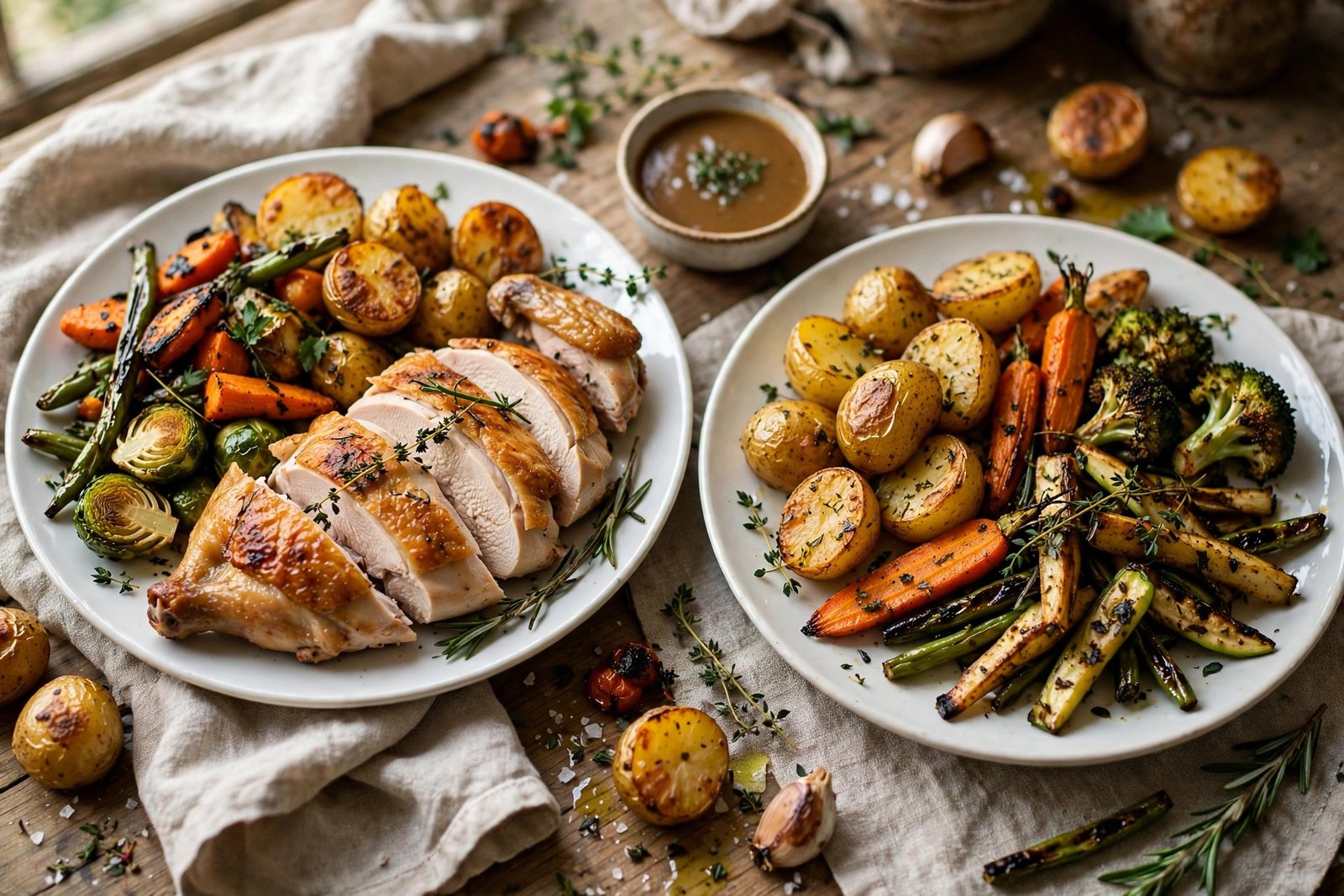
This is a perfect first dinner because the oven does most of the work. You will need four boneless chicken thighs or breasts, two cups of mixed vegetables such as carrots, potatoes, and green beans, two tablespoons of olive oil, three cloves of garlic, the juice of one lemon, salt, pepper, and a teaspoon of dried oregano.
Heat your oven to 200°C (400°F). Toss the vegetables with half the oil, salt, and pepper, and spread them on a baking tray. Rub the chicken with the remaining oil, garlic, lemon juice, oregano, salt, and pepper, and place it on top of the vegetables.
Roast for 25 to 30 minutes, until the chicken is cooked through and the vegetables are tender and lightly browned. For food safety, chicken should reach an internal temperature of 165°F (74°C), as recommended by the USDA food safety guidelines. Let it rest for five minutes before serving, and spoon the pan juices over the top.
2. Simple Tomato Pasta
Pasta is one of the most forgiving dinners a beginner can cook. You will need 250 grams of pasta, one can of chopped tomatoes, two cloves of garlic, two tablespoons of olive oil, a pinch of chilli flakes if you like heat, salt, pepper, and grated cheese and fresh basil to finish.
Boil the pasta in a large pot of well-salted water until just tender, following the time on the packet. While it cooks, warm the olive oil in a pan over medium heat, add the garlic and chilli flakes, and cook gently for one minute until fragrant. Be careful not to let the garlic brown, because burnt garlic tastes bitter.
Pour in the tomatoes, season with salt and pepper, and simmer for ten minutes. Drain the pasta, saving a cup of the cooking water, and toss the pasta into the sauce with a splash of that water. The starchy water helps the sauce cling to the pasta. Serve with cheese and basil on top.
3. Veggie Stir-Fry with Rice
A stir-fry teaches you sautéing, timing, and seasoning all in one dish. You will need two cups of cooked rice, three cups of mixed vegetables such as peppers, broccoli, carrots, and snap peas, two tablespoons of oil, two cloves of garlic, a thumb-sized piece of ginger, three tablespoons of soy sauce, and a teaspoon of sesame oil if you have it.
Start the rice first, since it takes the longest. While it cooks, cut all your vegetables into similar-sized pieces so they cook evenly. Heat the oil in a large pan or wok over high heat until it shimmers, then add the harder vegetables like carrots first and cook for two minutes.
Add the softer vegetables, garlic, and ginger, and cook for three to four more minutes, stirring constantly. Pour in the soy sauce and sesame oil, toss everything together, and serve over the rice. The whole stir-fry takes under ten minutes once the prep is done, which is why preparation matters so much here.
4. Bean and Cheese Quesadillas
When you want dinner in fifteen minutes, quesadillas are hard to beat. You will need four large flour tortillas, one can of black beans, one cup of grated cheese, one teaspoon of cumin, a handful of chopped peppers or sweetcorn, and a little oil for the pan.
Mash the beans lightly in a bowl with the cumin and a pinch of salt. The beans should stay a little chunky, which gives the filling texture. Lay a tortilla flat, spread a quarter of the bean mixture over half of it, add cheese and peppers or sweetcorn, and fold it in half.
Cook in a dry or lightly oiled pan over medium heat for two to three minutes per side, until the tortilla is golden and crisp and the cheese has melted. Slice into wedges and serve with salsa, sour cream, or a simple salad. This recipe is also easy to scale up for a family, since you can cook two pans at once.
For more everyday meal ideas across the whole week, see our guide to easy meal recipes for simple breakfasts, lunches, and dinners built around the same techniques.
What Are the Most Common Beginner Mistakes?
Every beginner makes the same few mistakes, and all of them are easy to fix. The first is not tasting as you go. Seasoning is not a single step at the end. Taste your food at different stages, and adjust salt, acid, or heat gradually. A squeeze of lemon or a pinch of salt at the end can transform a flat dish.
The second mistake is cooking on heat that is too high. High heat burns garlic, scorches sauces, and dries out meat. Most home cooking happens over medium heat. If food is browning too fast or the pan is smoking, turn the heat down. You can always cook a little longer, but you cannot undo burning.
The third mistake is overcrowding the pan. When too much food goes in at once, moisture builds up and nothing browns properly. Cook in batches if needed, and give ingredients space. Browned food has far more flavor than steamed food, and space in the pan is what makes browning possible.
The fourth mistake is skipping the prep. Starting to cook before your ingredients are ready leads to rushing, burning, and forgotten steps. Spend ten quiet minutes chopping and measuring first. That small investment makes the whole cooking process smoother and much more enjoyable.
What Should You Keep in Your Pantry?
A small, well-stocked pantry makes easy dinners possible on nights when you have no plan. Keep pasta, rice, canned tomatoes, and canned beans on hand, because they form the base of countless meals. Add olive oil, soy sauce, and a few dried spices such as cumin, oregano, paprika, and chilli flakes.
Onions, garlic, and lemons last well and add flavor to almost everything. Eggs are another beginner essential. They cook in minutes, work for breakfast or dinner, and turn simple ingredients into a complete meal. The BBC Good Food cooking guides are a helpful reference if you want to practise basic skills like boiling eggs or cooking rice with more confidence.
Fresh herbs, cheese, and tortillas are worth keeping too, because they finish a meal and add variety without extra cooking. With these basics in place, you can turn a can of beans or a bag of pasta into dinner without a trip to the store.
You May Also Like
Frequently Asked Questions
What is the easiest dinner for a complete beginner?
A one-pan roast or a simple pasta dish is the easiest place to start. Both use a single cooking method, need very little hands-on time, and are forgiving if your timing is slightly off. One-pan lemon garlic chicken with vegetables is a great first recipe, because the oven handles most of the cooking while you practise prep and seasoning. Once you are comfortable with those, try a stir-fry to practise cooking over higher heat.
How long should a simple dinner take to cook?
Most easy dinners take between twenty and forty minutes from start to finish, including prep. Quick dishes like quesadillas or pasta can be ready in fifteen to twenty minutes. Roasted dishes take longer in the oven, but most of that time is hands-off, so you are free while the food cooks. If a recipe promises ten minutes but needs twenty minutes of chopping, count the prep time too, and give yourself extra time on your first try.
How do I know when chicken is fully cooked?
The safest way is to use a food thermometer. Chicken is fully cooked when the thickest part reaches an internal temperature of 165°F (74°C), according to the USDA. If you do not have a thermometer, cut into the thickest part and check that the meat is white all the way through and the juices run clear, not pink. When in doubt, cook it a little longer, because undercooked chicken is a food safety risk.
Can I make these dinners ahead of time?
Yes, several of these dinners work well ahead of time. Tomato pasta sauce can be made a day or two in advance and kept in the fridge, and it often tastes better the next day. Roasted vegetables can be cooked ahead and reheated. Stir-fries are best fresh, but you can chop all the vegetables the night before and store them in the fridge, which cuts the cooking time on the day to under ten minutes.
What if I do not have all the ingredients in a recipe?
Most easy dinners are flexible. You can swap vegetables based on what you have, use dried herbs instead of fresh, or replace one protein with another that cooks in a similar time. Keep the cooking method and the seasoning balance the same, and the dish will still work. The main rule is to avoid swapping an ingredient that changes the cooking time dramatically, such as replacing quick-cooking chicken pieces with a large whole joint.
Conclusion
Cooking dinner gets easier every time you do it. Start with simple recipes, prep your ingredients before you cook, and learn the three basic techniques of sautéing, roasting, and one-pot cooking. Pay attention to timing, taste as you go, and do not worry about small mistakes, because they are how you learn.
With the four recipes in this guide and a small pantry of basics, you can cook a satisfying dinner at home any night of the week. Pick one recipe, cook it tonight, and build from there. Before long, easy meals to cook for dinner will feel like second nature.
Sources
- USDA Food Safety and Inspection Service, “Let’s Talk Turkey” and poultry food safety basics — https://www.fsis.usda.gov/food-safety/safe-food-handling-and-preparation/poultry/lets-talk-turkey
- BBC Good Food, cooking guides and how-to articles — https://www.bbcgoodfood.com/howto



Pingback: Easy Meal Recipes for Every Day of the Week
Pingback: Breakfast Recipes with Eggs: Simple Ideas for Every Morning